Thinking about putting a shed on your San Francisco property? Good call. But before you get too deep into planning, you've probably got a ton of questions about how this whole thing actually works. I hear them all the time, so let's dig into the details of shed delivery and installation around here.
How in the world do you even get a shed into my backyard in San Francisco?
This is probably the question I get asked most often, and it's a fair one, especially with our tiny lots and steep hills. Usually, we deliver sheds either already put together or as big, pre-made panels. If it's fully assembled, we bring in special gear – sometimes a truck with a 'mule' or a forklift, sometimes even a crane for those really tough spots. We're talking about maneuvering a pretty big box through gates, around tight corners, and up or down slopes. It's rarely simple, but we've got a trick for almost anything.
Now, if your access is super tight – maybe a narrow side yard less than 4 feet wide, or just a tiny alleyway – then bringing it in panel by panel is usually the way to go. We'll carry in the walls, floor, and roof sections separately, then build them right there on your site. It takes a little longer, sure, but it means you can still get a quality shed even if you don't have a wide-open path. We always do a site visit first, by the way, to figure out the best approach. Don't worry, we won't just show up and cross our fingers.
Do I need a permit for a shed in San Francisco?
Yeah, probably. This isn't like setting up a little plastic storage bin. In San Francisco, you generally need a permit for any structure bigger than 100 square feet. But honestly, even smaller sheds can sometimes trigger permit requirements. It just depends on their height, how close they are to your property lines, or if you're planning on adding electricity or plumbing. The city's planning department and building inspection division are pretty strict, and they've got specific rules about setbacks, maximum heights, and how much of your lot can be covered. You really don't want to skip this step, then get hit with a stop-work order or have to tear something down later. That's a headache nobody needs.
We can help you figure out exactly what permits you'll need, and we can even lend a hand with the application process. It's just one of the things San Francisco Shed Builders does to make things easier for you. Better safe than sorry when it comes to city regulations, right?
What kind of foundation does my shed need?
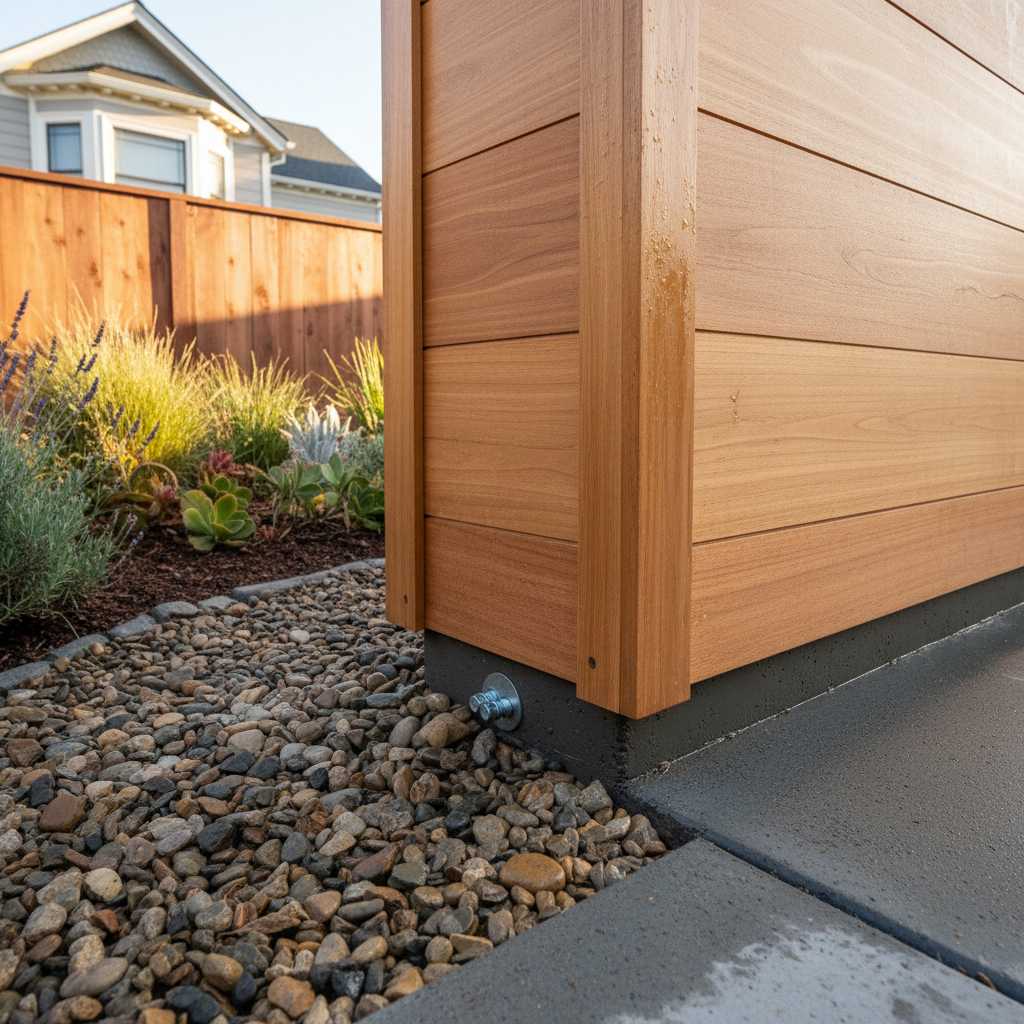
This isn't a simple, one-size-fits-all answer, but it's absolutely crucial. You can't just plop a shed on bare dirt and expect it to last. You need a solid, level foundation to keep out rot, stop it from shifting, and prevent structural problems. For most sheds, especially the smaller ones, a gravel pad with pressure-treated skids works well. It helps with drainage and keeps the shed up off the ground.
For bigger sheds, or if you're installing something really substantial like an office shed, a concrete slab is often the best bet. It costs more and takes longer, but it gives you the most stability and will last the longest. Sometimes, we'll even use pier foundations, particularly on sloped sites or if you're trying to cut down on concrete. The main thing is proper drainage and making sure water can't pool around the base. Our San Francisco soil can be quite varied – everything from sandy loam to heavy clay – so we always check the ground conditions to recommend the right foundation for your specific site.
How long does installation take?
It really comes down to the shed's size and how complicated it is, plus whether it arrives assembled or we build it on-site. If it's a fully assembled shed and we have good access, we can often get it placed and secured in just a few hours. That's the quickest scenario, believe me.
For a panelized shed built on-site, or a custom job, it'll take longer. A typical medium-sized shed might take a day or two for assembly, not counting the foundation work beforehand. If we're talking about a larger, more complex structure with electrical wiring, insulation, or interior finishes, that could easily stretch into several days, maybe even a week. We'll give you a clear timeline upfront once we know all the specifics of your project.
What about utilities like electricity or plumbing?
If you want power or water in your shed, that's definitely something we can build in. For electricity, we'll need to run a dedicated circuit from your main electrical panel. This usually means trenching and conduit to get the wires safely to the shed. You'll need an electrician, and yes, more permits for that. Same goes for plumbing – if you want a sink or toilet, you'll need water supply and drainage lines, which means connecting to your home's existing plumbing and dealing with more trenching and permits.
These additions really crank up the cost and complexity of the project, but they can make your shed way more functional. We can coordinate with licensed electricians and plumbers to make sure that work gets done right and up to code.
Can you help me with landscaping around the shed?
Our main focus is the shed itself – building it right and getting it installed properly. We're not landscapers, but we often work closely with them. Once your shed is in place, you'll definitely want to think about how it fits into your yard. Things like pathways, planting beds, and even small retaining walls can make a huge difference in how your shed looks and functions. We can offer advice on things like making sure water drains away from the shed, but for the actual planting and hardscaping, you'd want to bring in a landscaping professional. It’s worth the extra effort to make your new shed look like it's always been a part of your property.
What if my yard is sloped?
Sloped yards are super common in San Francisco, especially in neighborhoods like Bernal Heights or Twin Peaks. It's not a deal-breaker, but it does mean we'll need a more robust foundation solution. We can use retaining walls, tiered foundations, or even post-and-beam structures to create a level base for your shed. It adds to the cost and complexity, sure, but it's absolutely doable. We'll check the grade during our site visit and recommend the best, most stable approach. You really don't want a shed that's going to slide down the hill in the next big rain.
Hopefully, that clears up some of your biggest questions. Getting a shed is a big investment, and you want to make sure it's done right. If you've got more specific questions about your property, just give San Francisco Shed Builders a call. We're here to help.