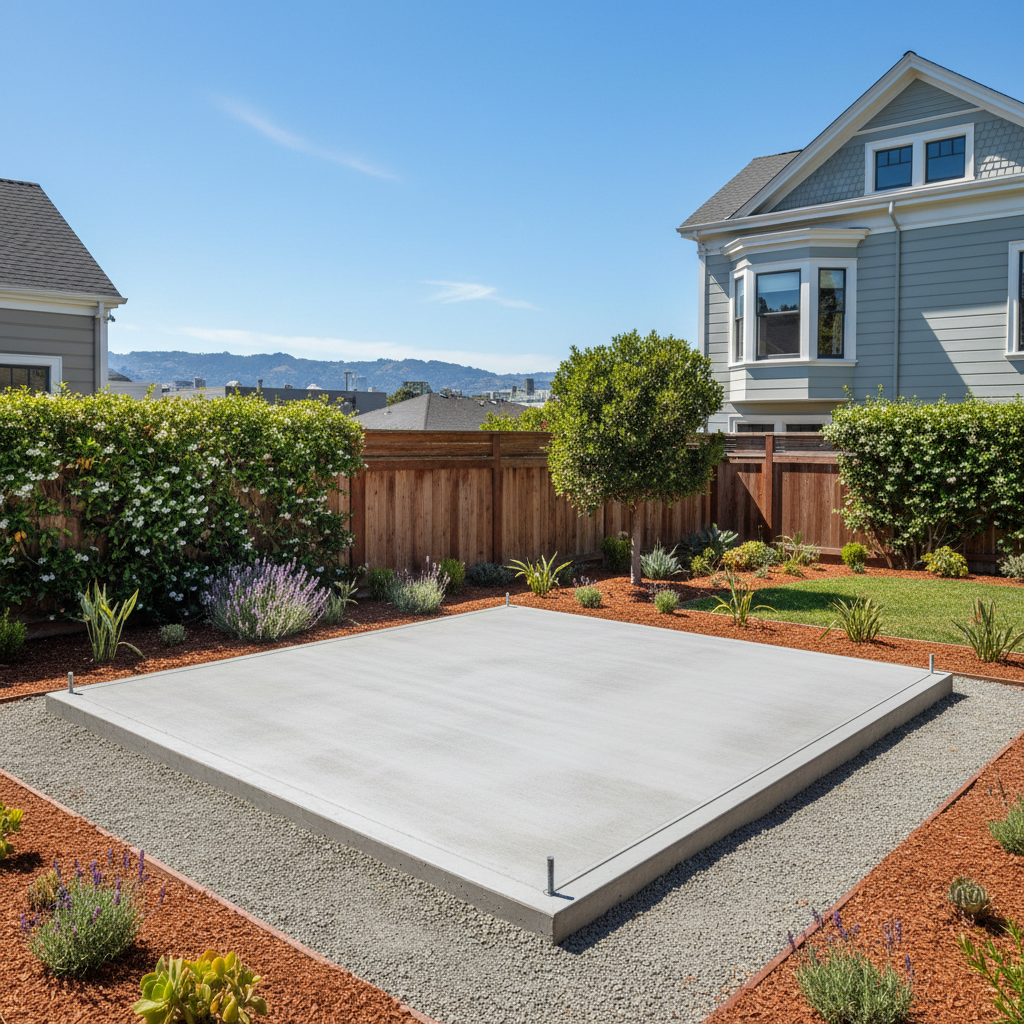
So, you've got a shed. Maybe we even built the foundation for you. You're probably thinking, "Great, it's done, I can forget about it now." Hold on a minute. That foundation — whether it's a concrete slab, pier and beam, or gravel — is what keeps your shed standing strong against everything San Francisco throws at it. Ignoring it is like ignoring the tires on your car. Eventually, you're gonna have a problem, right?
Extending Your Foundation's Life: It's Easier Than You Think
Look, we build foundations to last. But "lasting" doesn't mean "maintenance-free." Think of it as preventative medicine for your shed. The biggest enemy here in SF? Water. We get our fair share of rain, especially in winter, and that moisture can really mess things up if you don't manage it.
First off, drainage is king. You need to make sure water isn't pooling around the base of your shed. If you've got a concrete slab, check for any cracks where water might seep in. For pier and beam, ensure the ground slopes away from the piers. If you see standing water after a good downpour, you've got a drainage issue that needs fixing. Sometimes it's as simple as adding a French drain or regrading a small area. Seriously, don't let water sit there, especially if your shed is nestled into a hillside in Bernal Heights or somewhere similar. That constant dampness invites rot and can undermine even the best foundation over time.
Next, keep vegetation clear. Roots can be surprisingly powerful, you know. We're talking about trees and shrubs growing too close to the foundation. They can push against it, or their roots can dry out the soil unevenly, leading to settlement issues. Plus, dense foliage traps moisture. Give your shed some breathing room. A foot or two of clear space around the perimeter is usually enough.
Finally, seal and protect. If you have a concrete slab, consider applying a concrete sealer every few years. It's like sunscreen for your foundation, protecting it from moisture and UV damage. For wood elements in a pier and beam foundation, make sure any exposed wood is properly treated and sealed. We use pressure-treated lumber for a reason, but even that benefits from a little TLC over the years.
Regular Maintenance: Your Annual Check-Up
You don't need to be out there every weekend. But a quick check-up once or twice a year can save you a lot of headaches and money down the road. I usually tell folks to do it in the spring after the rainy season, and then again in the fall before the rains really kick in.
- Walk around the shed: Look at the ground around the foundation. Any new depressions? Any areas where the soil has eroded away?
- Inspect the foundation itself: For concrete, look for cracks. Small hairline cracks are often normal, but anything wider than a credit card or that runs deep needs attention. If you have pier and beam, check the piers for any leaning or shifting. Make sure the beams are still level and not showing signs of rot or insect damage.
- Check for moisture: Feel the ground around the foundation. Is it constantly damp? Look for any signs of mold or mildew on the foundation or the lower parts of the shed siding.
- Pest patrol: While you're down there, keep an eye out for pests. Termites love damp wood, and a compromised foundation is an open invitation. Look for mud tubes or wood dust.
Warning Signs: When Something's Not Right
Your shed will usually tell you when it's having a bad day. You just gotta listen. Here are some red flags:
- Doors or windows sticking: This is a classic sign of foundation movement. If your shed door suddenly doesn't close right, or a window is hard to open, the frame might be out of square because the foundation has shifted.
- Cracks in the shed walls: If you see cracks appearing in the siding or interior walls (if your shed is finished inside), especially around door and window frames, that's a strong indicator of foundation stress.
- Uneven floors: Walk around inside. Does it feel like you're walking uphill or downhill? Is there a noticeable dip in one area? That's a sign of uneven settlement.
- Visible gaps: Look for gaps opening up between the foundation and the bottom of the shed walls. This is a clear sign of separation or settlement.
- Standing water under the shed: If you have a pier and beam foundation and you see water collecting underneath, that's a major problem. It means your drainage isn't working, and you're inviting rot and pests.
When to Call a Professional
You're handy, I get it. But some things are best left to the pros. If you see any of those warning signs, or if you're just not sure, don't hesitate to call someone like us at San Francisco Shed Builders. You don't want to wait until a small issue becomes a massive, expensive repair.
Specifically, you should call a professional if:
- You find significant cracks in a concrete slab foundation.
- Piers or beams in a pier and beam foundation appear to be shifting, leaning, or rotting.
- You have persistent drainage problems you can't fix yourself.
- Doors or windows are consistently sticking, indicating structural movement.
- You suspect a pest infestation that's impacting the foundation.
Catching these issues early can save your shed and your wallet. A solid foundation isn't just about building it right; it's about keeping it right. A little attention now means your shed will serve you well for years to come.