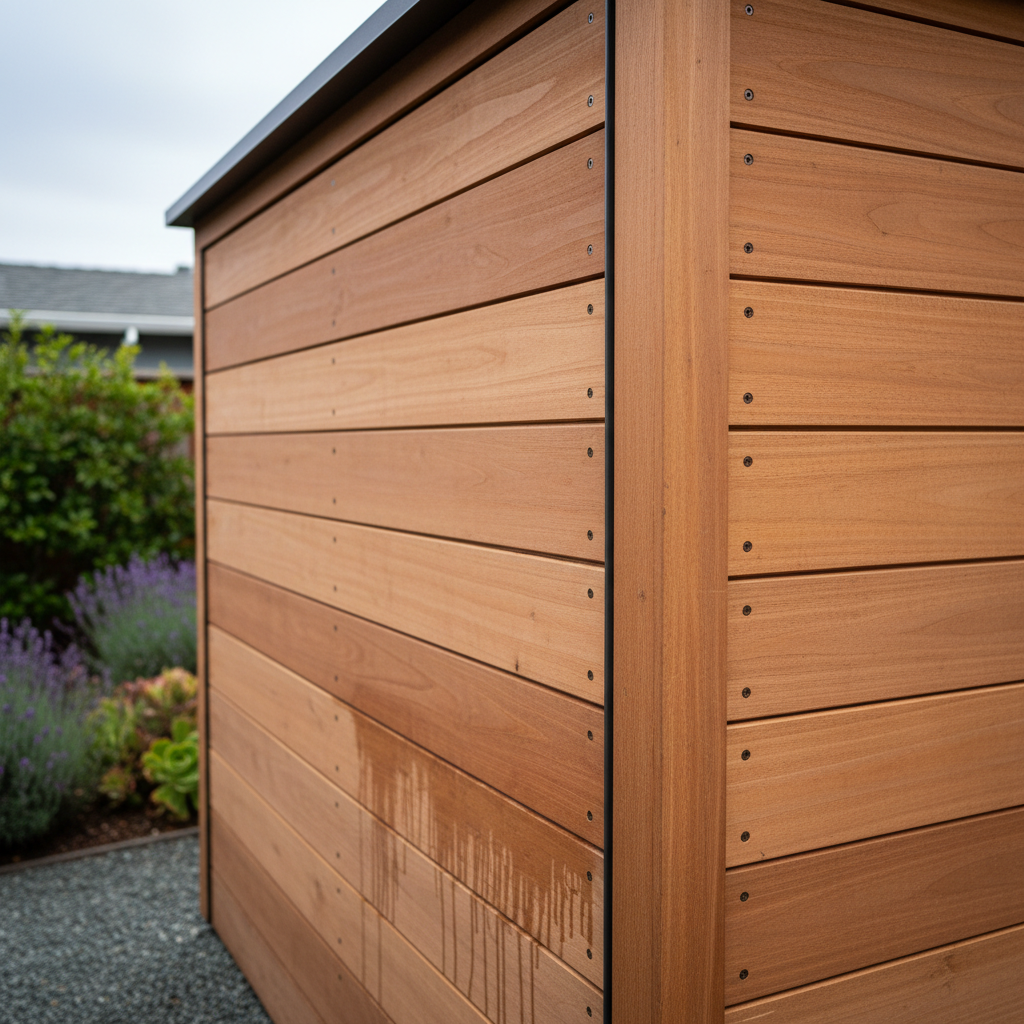
Alright, so you're staring at that pile of stuff in your garage or yard and thinking, "I need a shed." Good call, really. A well-built storage shed can totally change the game for your San Francisco property, whether you're stashing bikes, gardening tools, or just need a little extra elbow room in the house. But before you grab a hammer, let's break down what's actually involved and where you should probably draw the line between doing it yourself and calling in someone like us.
Before You Even Think About Building
This is where most folks either nail it or mess it up. Planning isn't glamorous, not by a long shot, but it's absolutely crucial, especially in a city with tight spaces and specific rules like ours.
- Location, Location, Location: Don't just plop it anywhere. Think about access – can you get a wheelbarrow to it? Is it under a tree that's constantly dropping leaves or, worse, branches? And what about drainage? You definitely don't want water pooling around your new shed, especially with our winter rains. Consider the sun too; a little sun exposure can help keep the inside dry and prevent mildew.
- Permits & Regulations: This is a big one in San Francisco. You can't just throw up a structure without checking with the Department of Building Inspection (DBI). Generally, small, detached accessory structures under 120 square feet might be exempt from a building permit, but you still need to check zoning and setback requirements. Trust me, getting caught without the right paperwork is a headache you absolutely do not want. It's not just about the size either; it's about height, how close it is to property lines, and even how it looks from the street.
- Foundation First: This isn't just a suggestion; it's non-negotiable. You need a solid, level foundation. For smaller, lighter sheds, you might get away with concrete blocks or gravel. But for anything substantial, or if you're on a slope (which, let's be honest, half of San Francisco is), you're looking at a concrete slab or a pier-and-beam system. This is often where I see DIYers get into trouble. If the foundation isn't right, the whole shed will eventually warp, sag, or become unstable.
What You Can DIY (and What You Probably Shouldn't)
I'm all for homeowners getting their hands dirty. It's satisfying, and you learn a lot. But there's a point where the cost of a mistake outweighs the savings of doing it yourself.
DIY-Friendly Tasks:
- Assembly of a Pre-Fab Kit: If you've bought a shed kit from a big box store, putting it together is usually something a handy homeowner can handle. The instructions are generally pretty clear, and it's mostly about following steps, cutting a few pieces, and screwing things together. You'll need basic tools: a drill, tape measure, level, saw, and a good ladder.
- Painting & Finishing: Once the structure is up, painting, staining, or adding trim is definitely something you can do. It's mostly cosmetic, and if you mess up, it's easy to fix. This is where you can really personalize your shed and make it blend with your home.
- Interior Shelving & Organization: Building shelves, hanging hooks, or installing pegboards inside? Absolutely. This is where you tailor the shed to your specific storage needs.
When to Call a Pro (Like San Francisco Shed Builders):
- Foundation Work: Unless you've poured concrete before and know how to properly prepare a site, grade for drainage, and ensure a perfectly level slab, hire a pro. Especially with the varied soil conditions we have here – from sandy Marina District fills to the bedrock of Twin Peaks – you want someone who knows what they're doing. A bad foundation means a bad shed, eventually.
- Custom Builds & Complex Designs: If you're not just assembling a kit but want a custom-sized shed, a specific architectural style, or something with electrical wiring or plumbing, that's pro territory. Framing walls, cutting rafters, installing windows and doors properly – these all require a certain level of skill and specialized tools.
- Permit Navigation: If your project requires a permit, and you're not comfortable dealing with city bureaucracy, a contractor can handle that for you. We know the codes, we know the inspectors, and we know how to get things approved efficiently.
- Site Preparation & Grading: Moving earth, leveling a sloped yard, or dealing with tricky access points can be more work than you think. Heavy machinery or specialized techniques might be needed, and that's not a DIY job for most folks.
During the Build: Staying Smart
Whether you're DIYing or supervising a pro, keep an eye on a few things. Safety first, always. Wear appropriate gear – gloves, eye protection, sturdy shoes. If you're working with power tools, understand how they work and don't rush. For materials, don't cheap out. You're in San Francisco; we get fog, rain, and sometimes even strong winds. Use treated lumber where it touches the ground or is exposed to moisture. Good quality siding and roofing will save you headaches down the line.
After the Build: Keeping It Shipshape
So, the shed's up. Great! Your work isn't over. Regular maintenance is key to making your investment last.
- Check for Leaks: Especially after a good rain, go inside and look for any signs of water intrusion. Seal any gaps or cracks immediately.
- Inspect the Roof: Make sure shingles or roofing panels are intact. Clear off any debris, especially if your shed is under trees.
- Clean Gutters: If your shed has gutters, keep them clear so water drains away from the foundation.
- Pest Control: Keep an eye out for critters trying to make a home in your shed. Seal up any entry points.
- Repaint/Restain: Every few years, give the exterior a fresh coat. It protects the wood and keeps your shed looking good.
Building a storage shed can be a rewarding project. Just be honest with yourself about your skills and time. There's no shame in calling in the experts when a job requires specialized knowledge or equipment. That's what we're here for.